ADVANCED Glazes beyond Glass: 10-week course

$495.00
Wednesdays 6:00pm–9:00pm

PREREQUISITE: Course 1+2 – Fundamentals of Practical Glaze Chemistry: 10-week course

incl. glaze materials, and firing

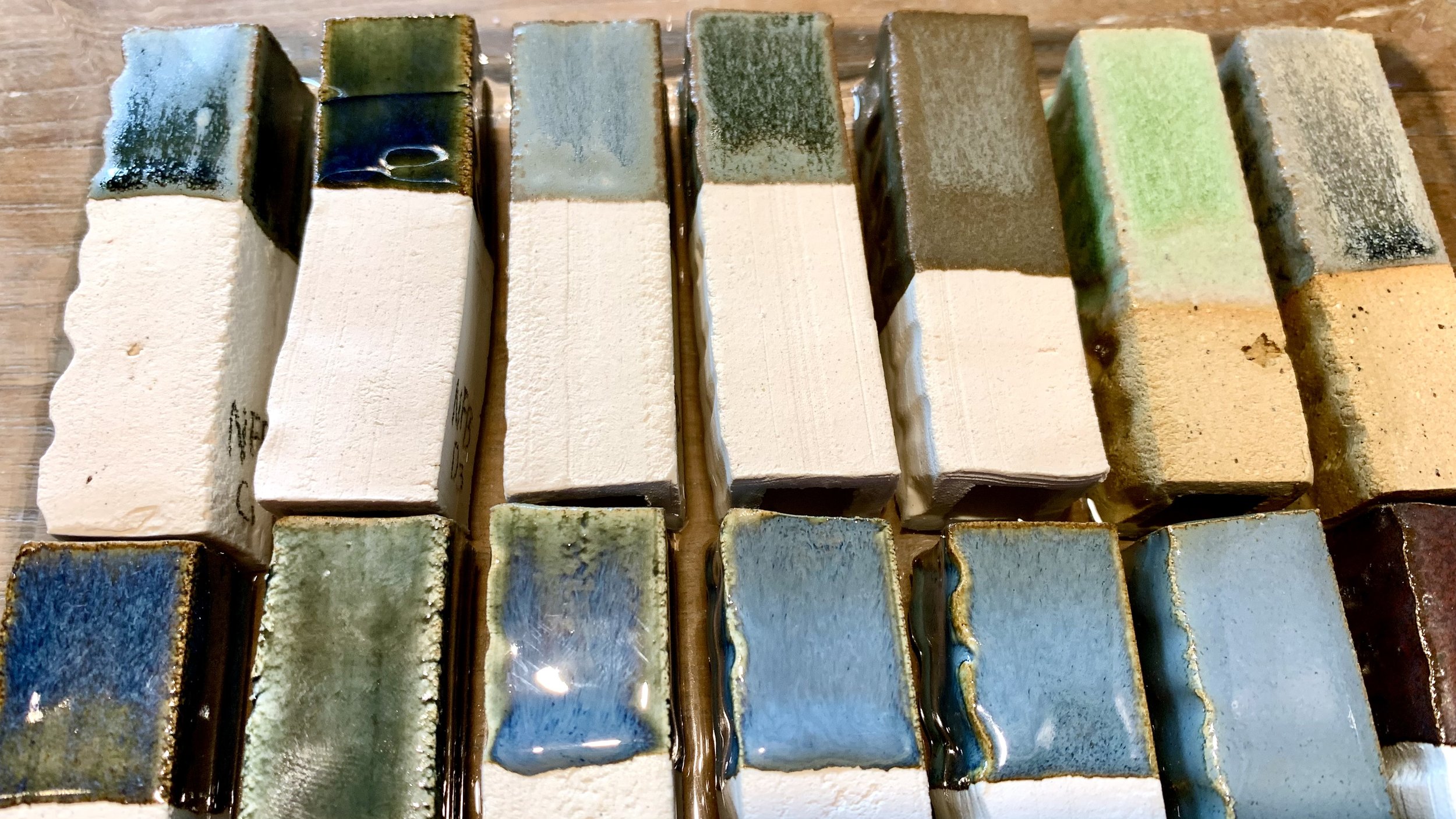
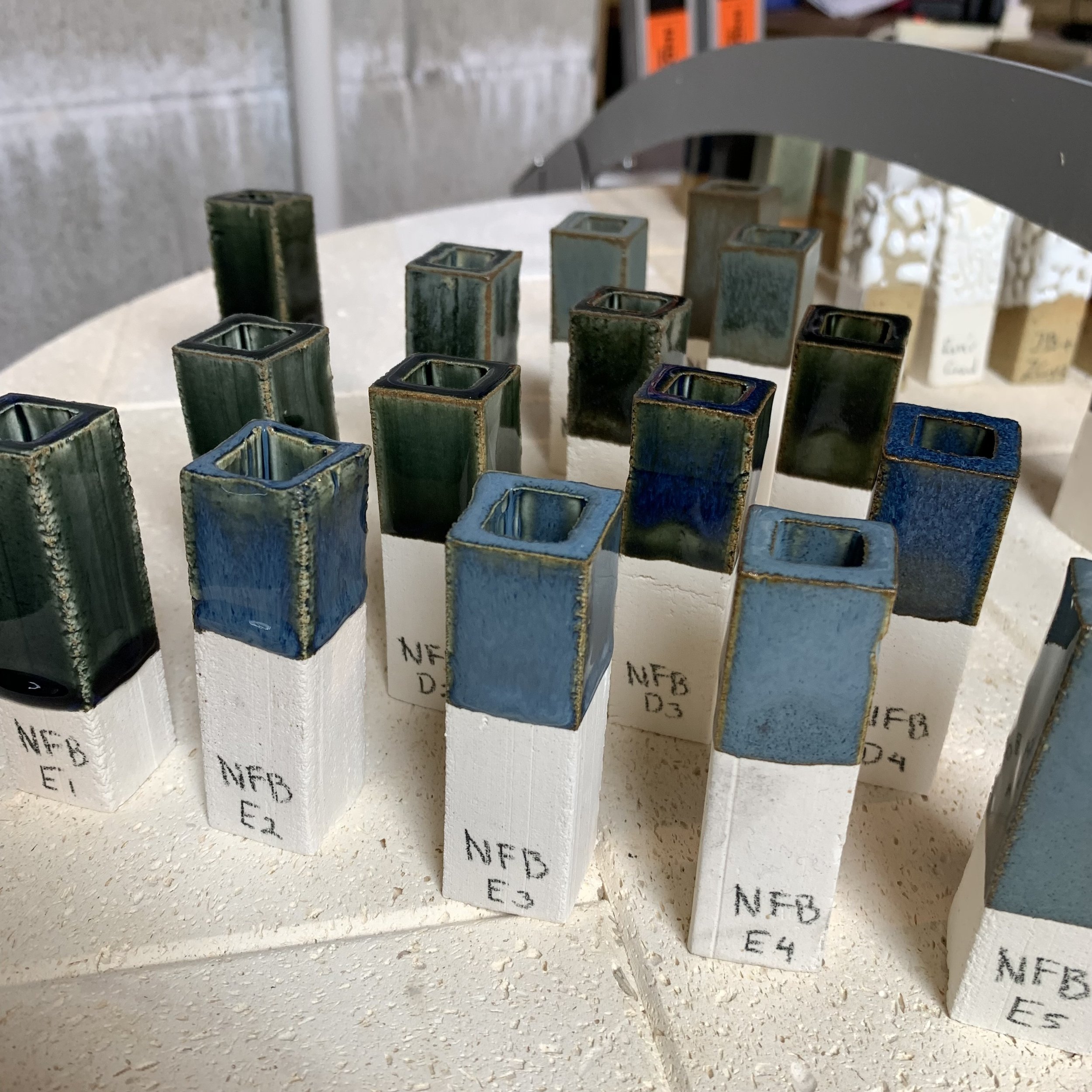
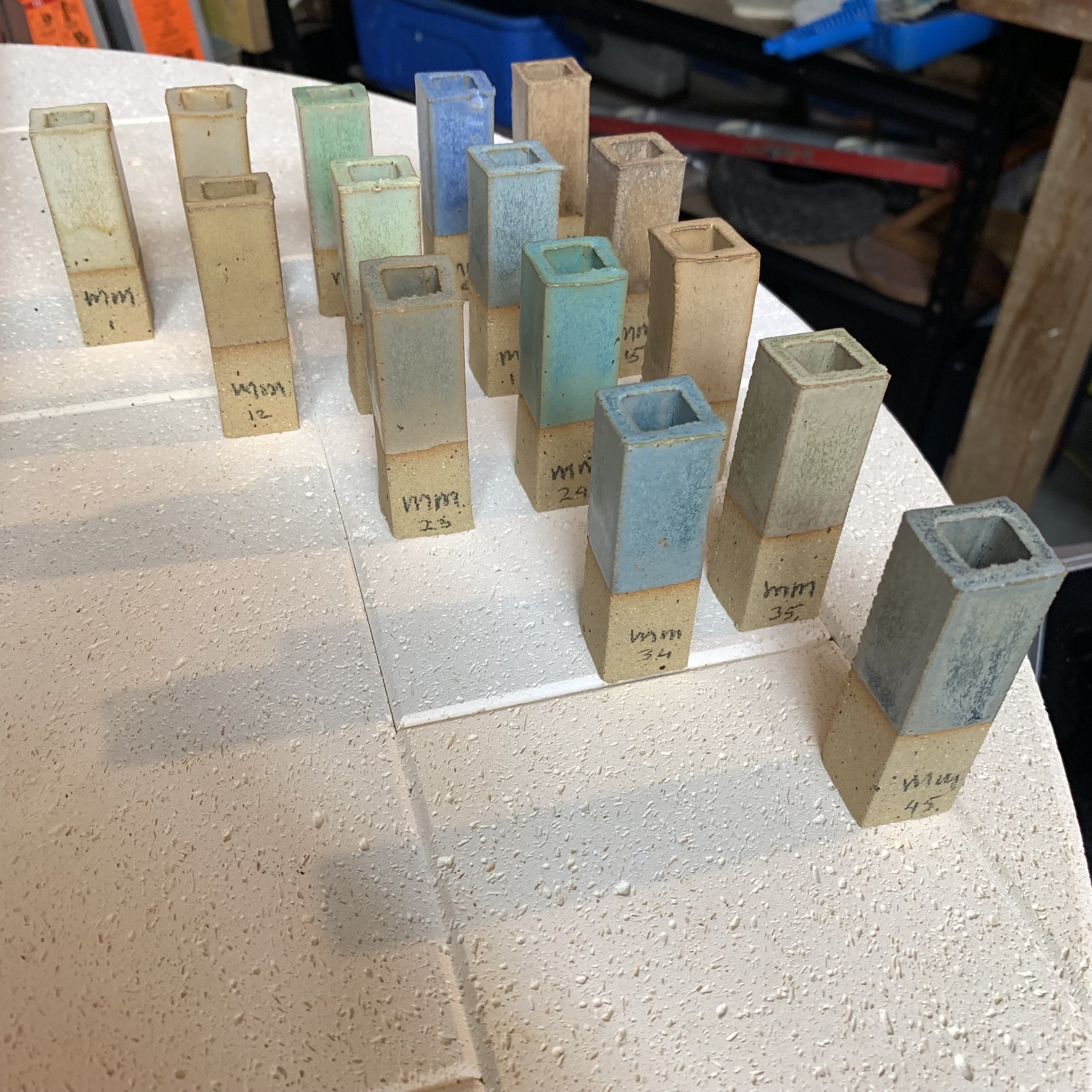
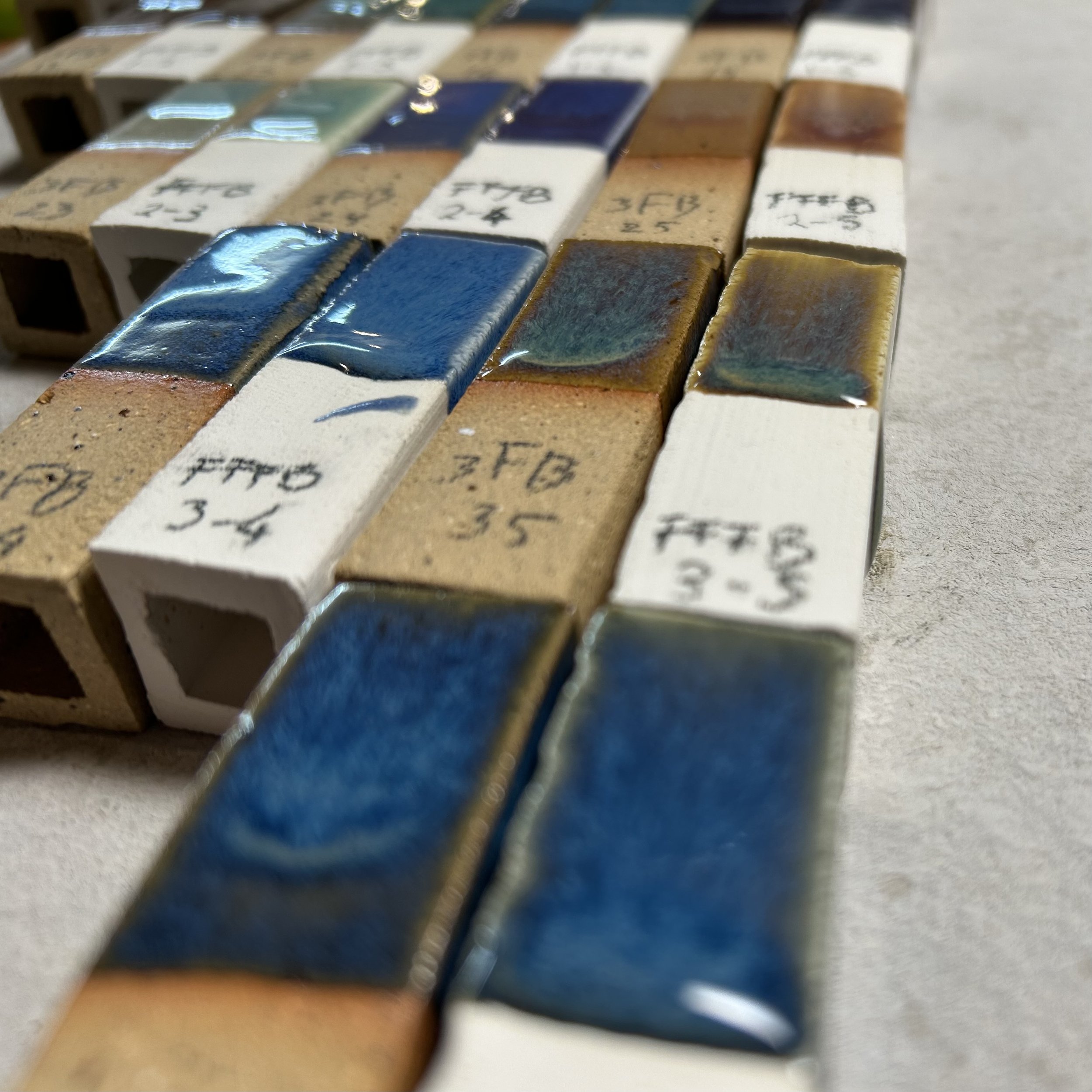
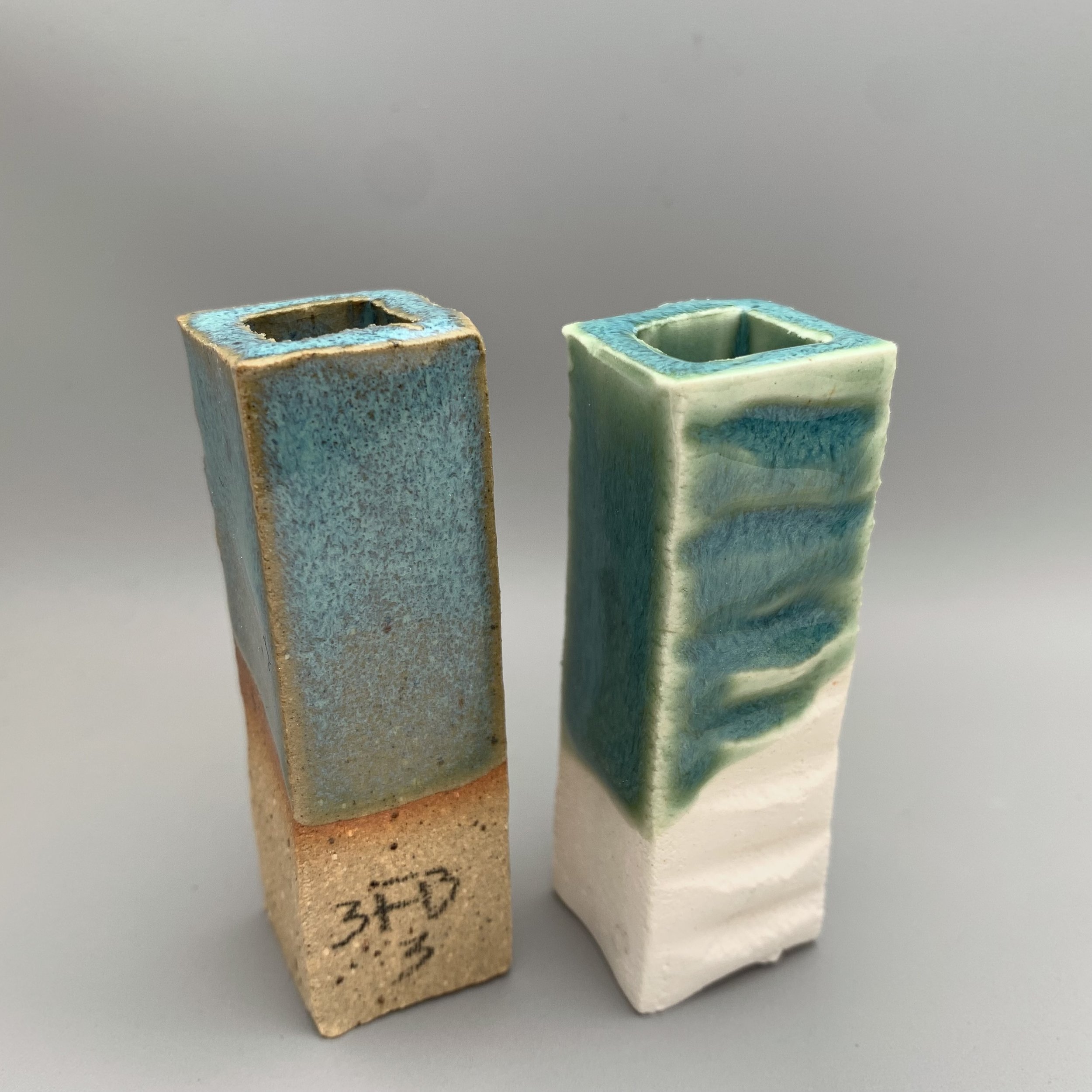
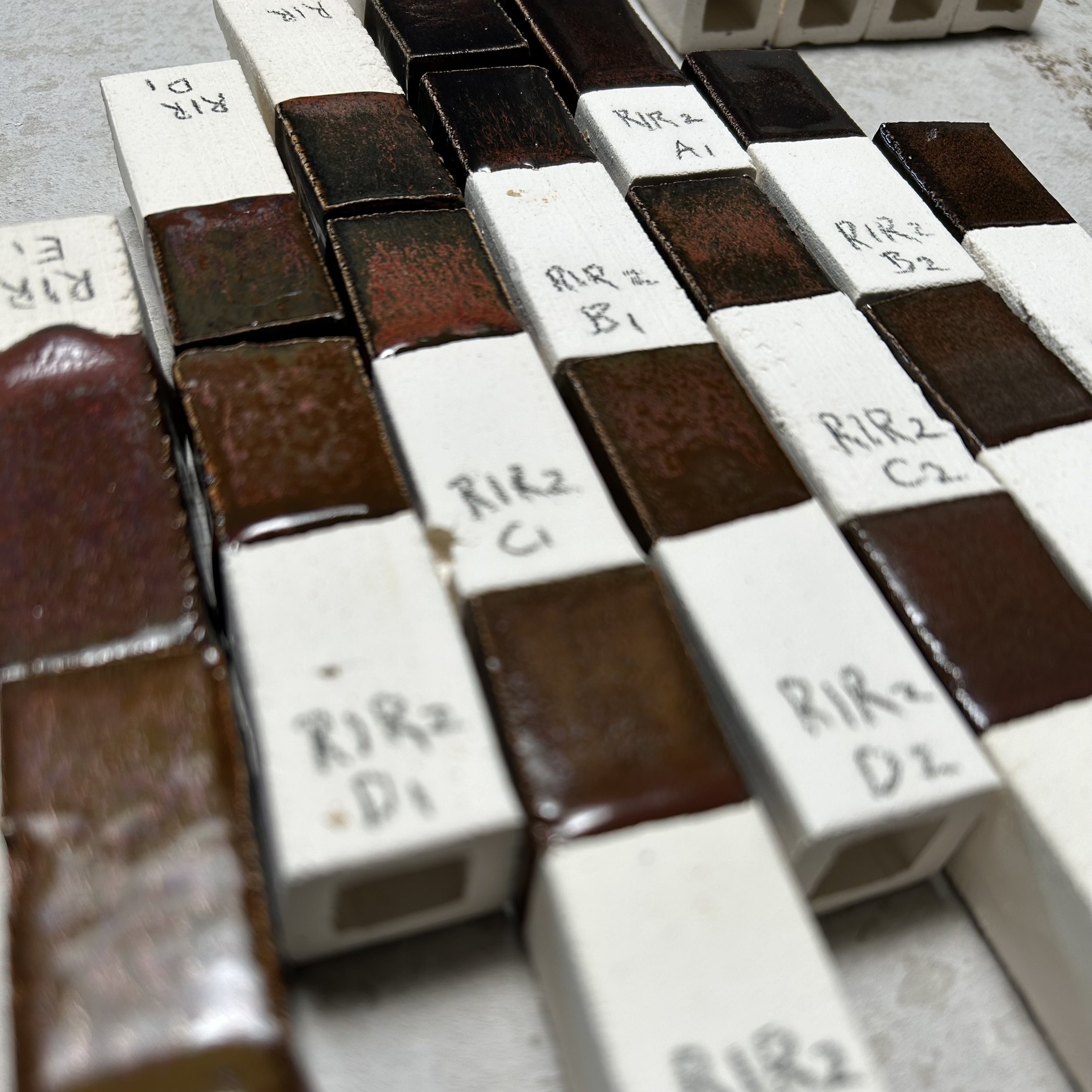
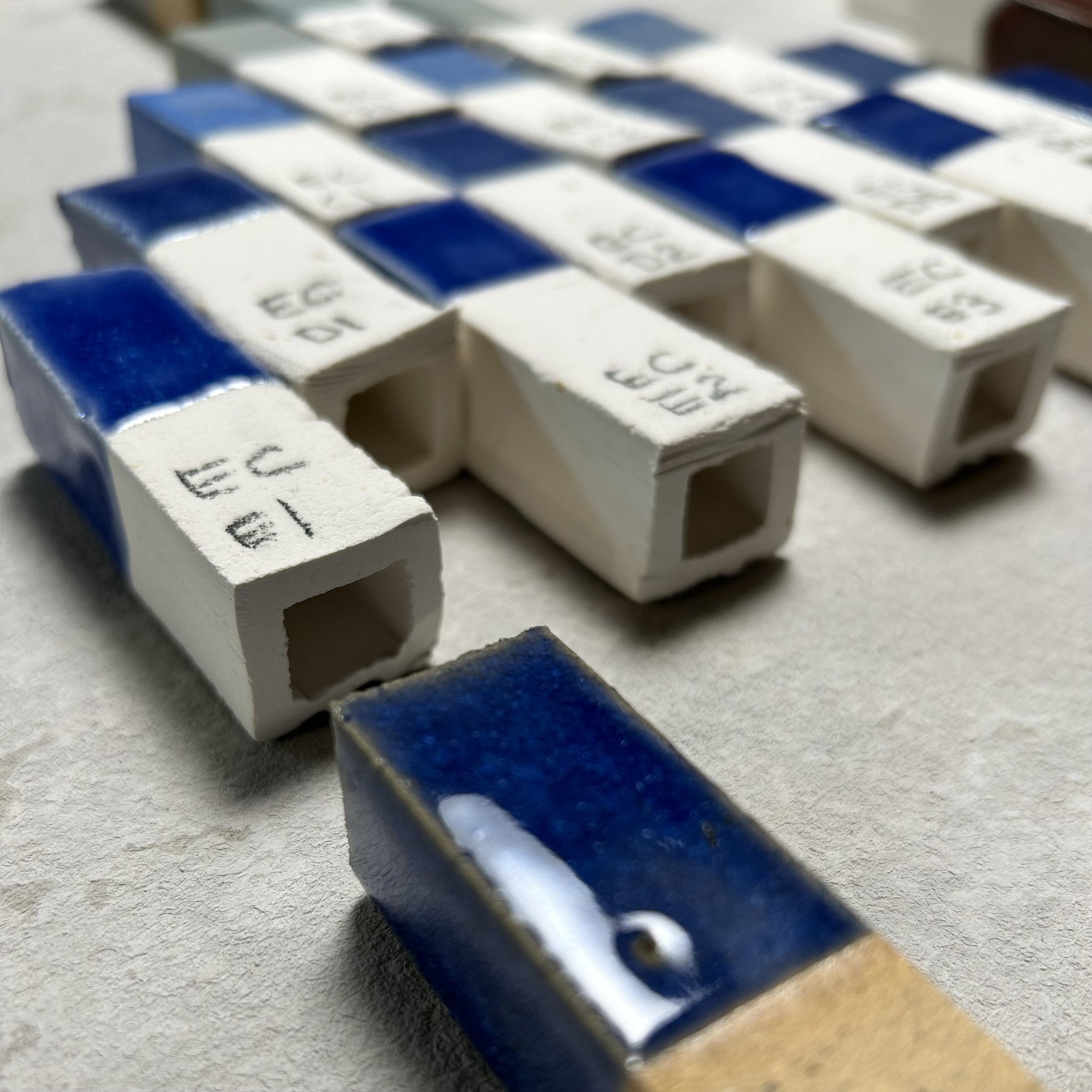
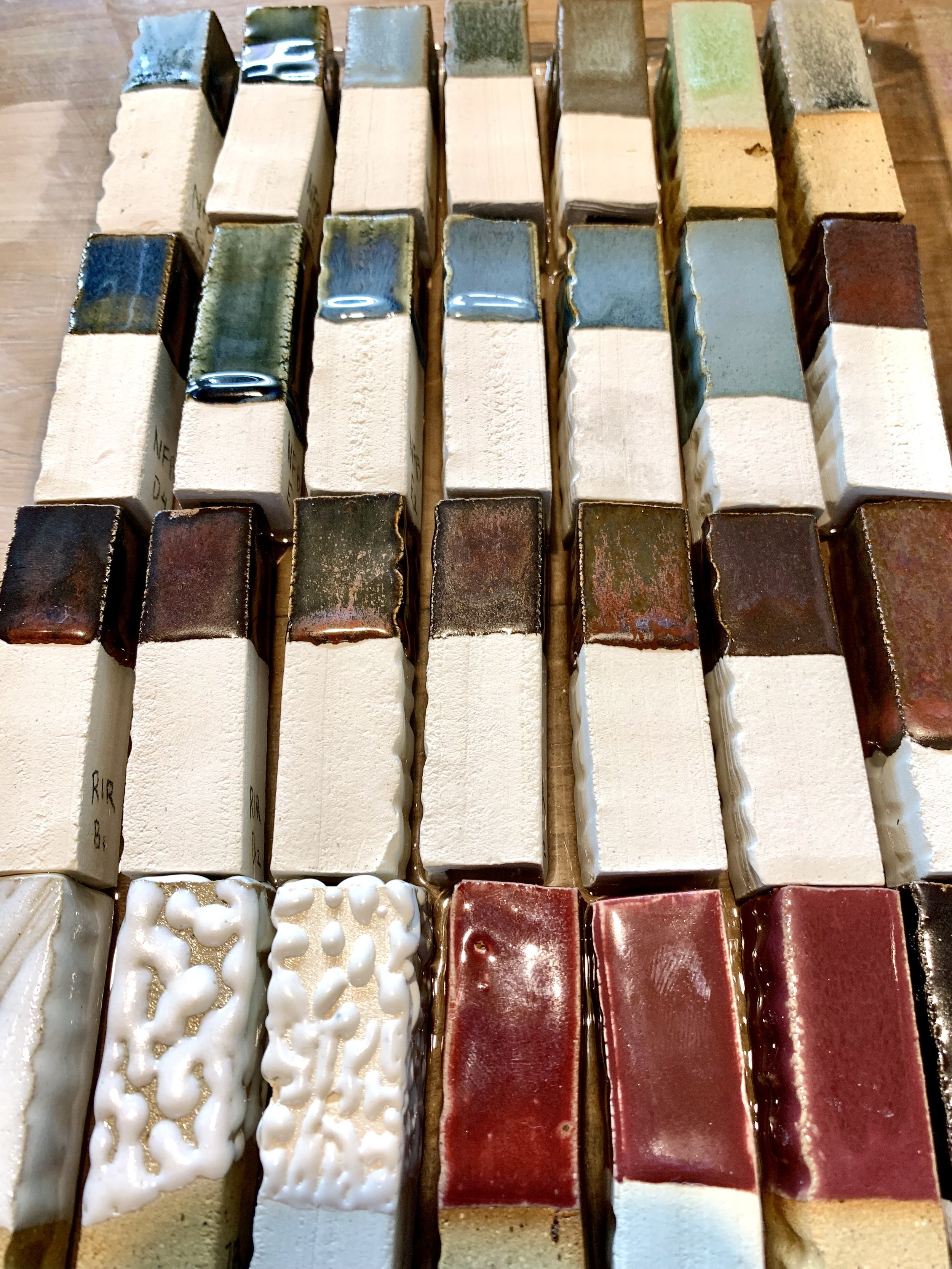
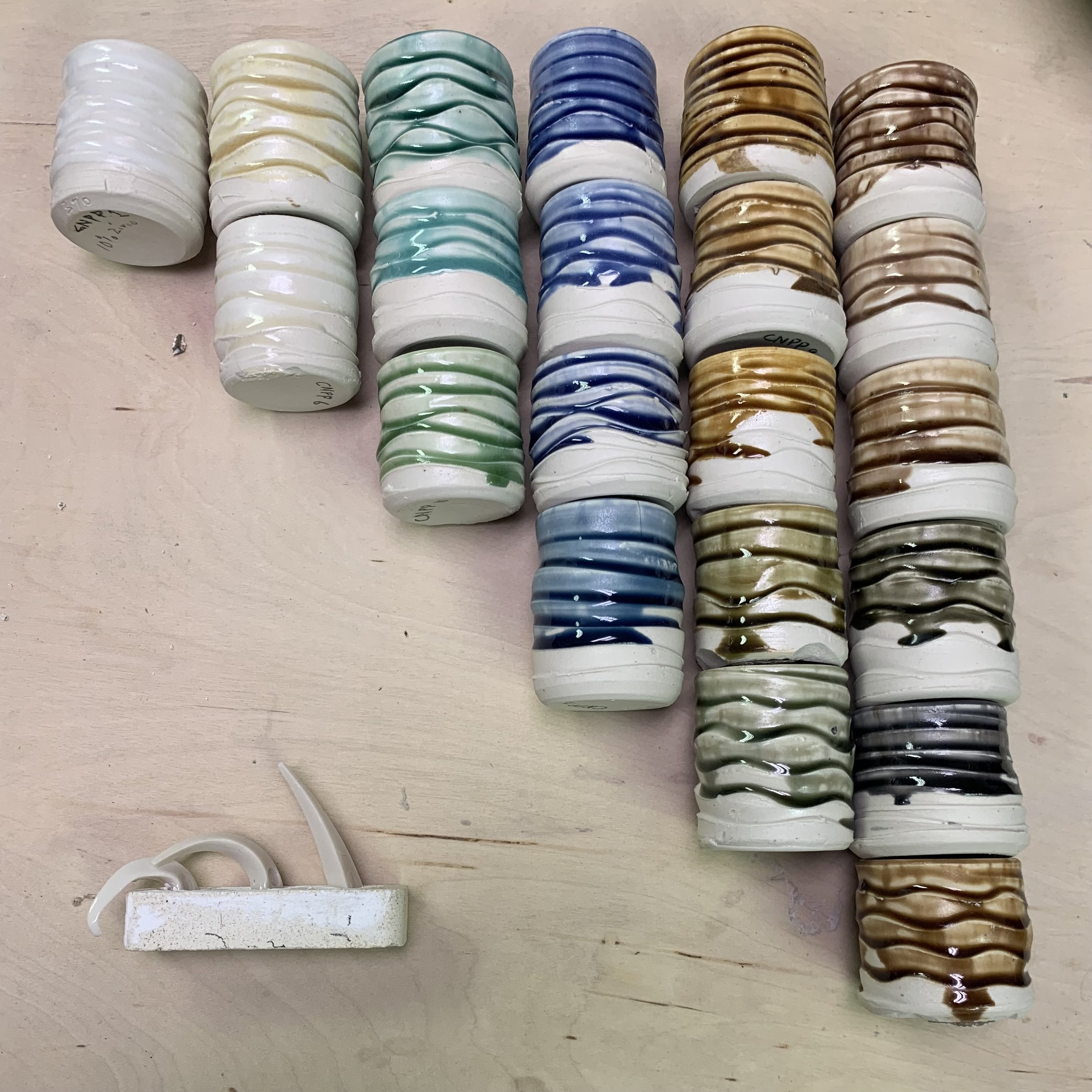
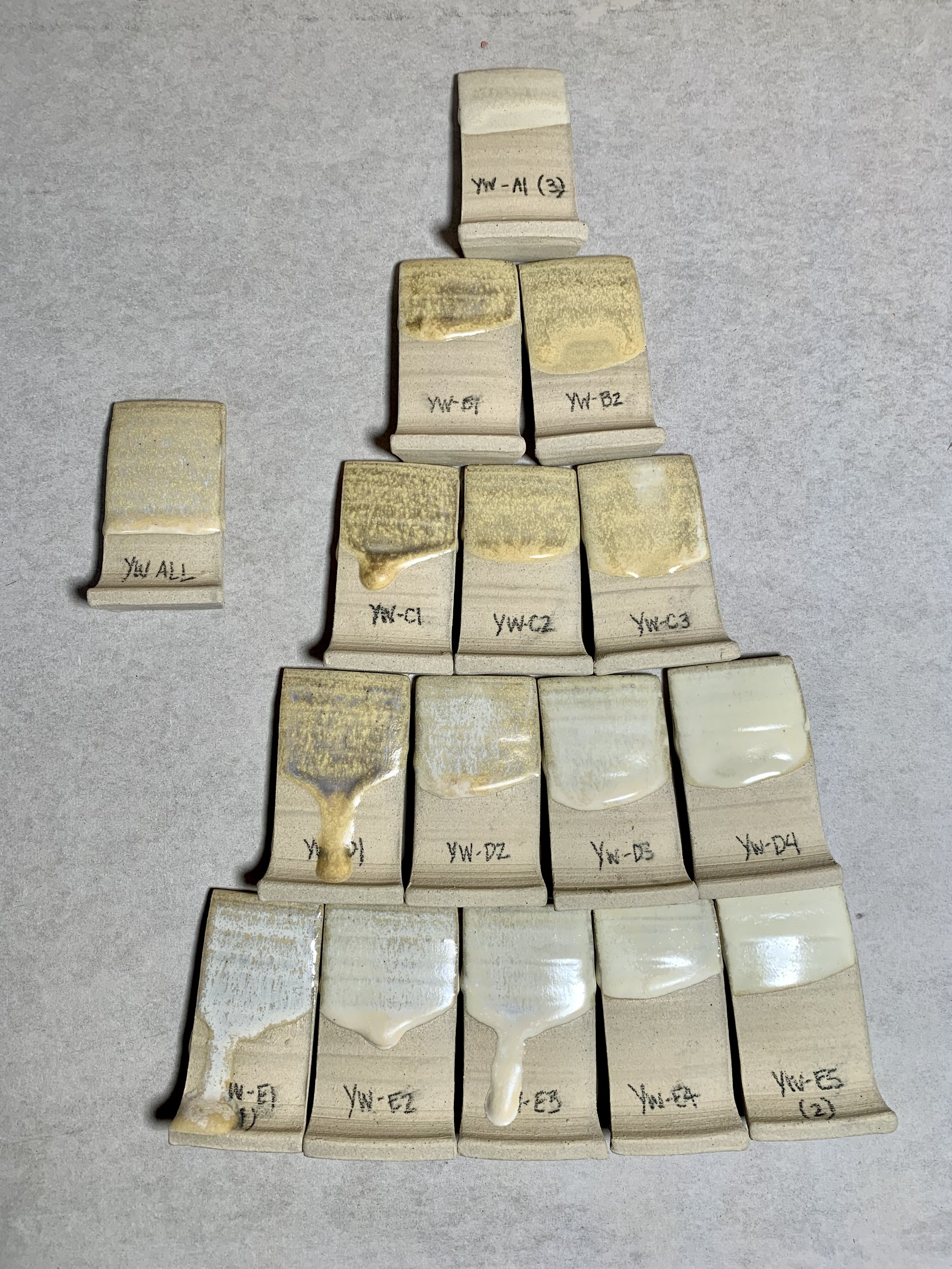
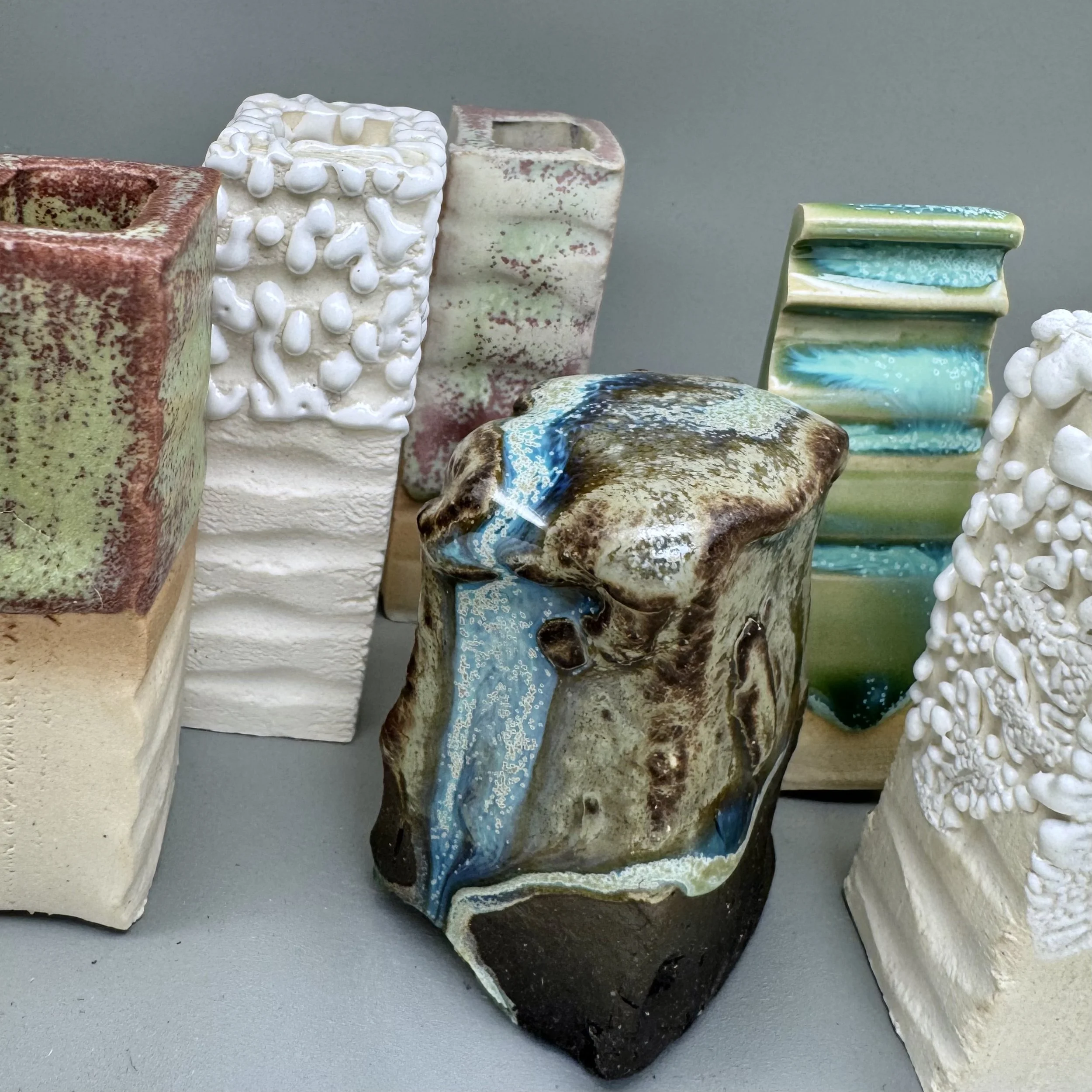
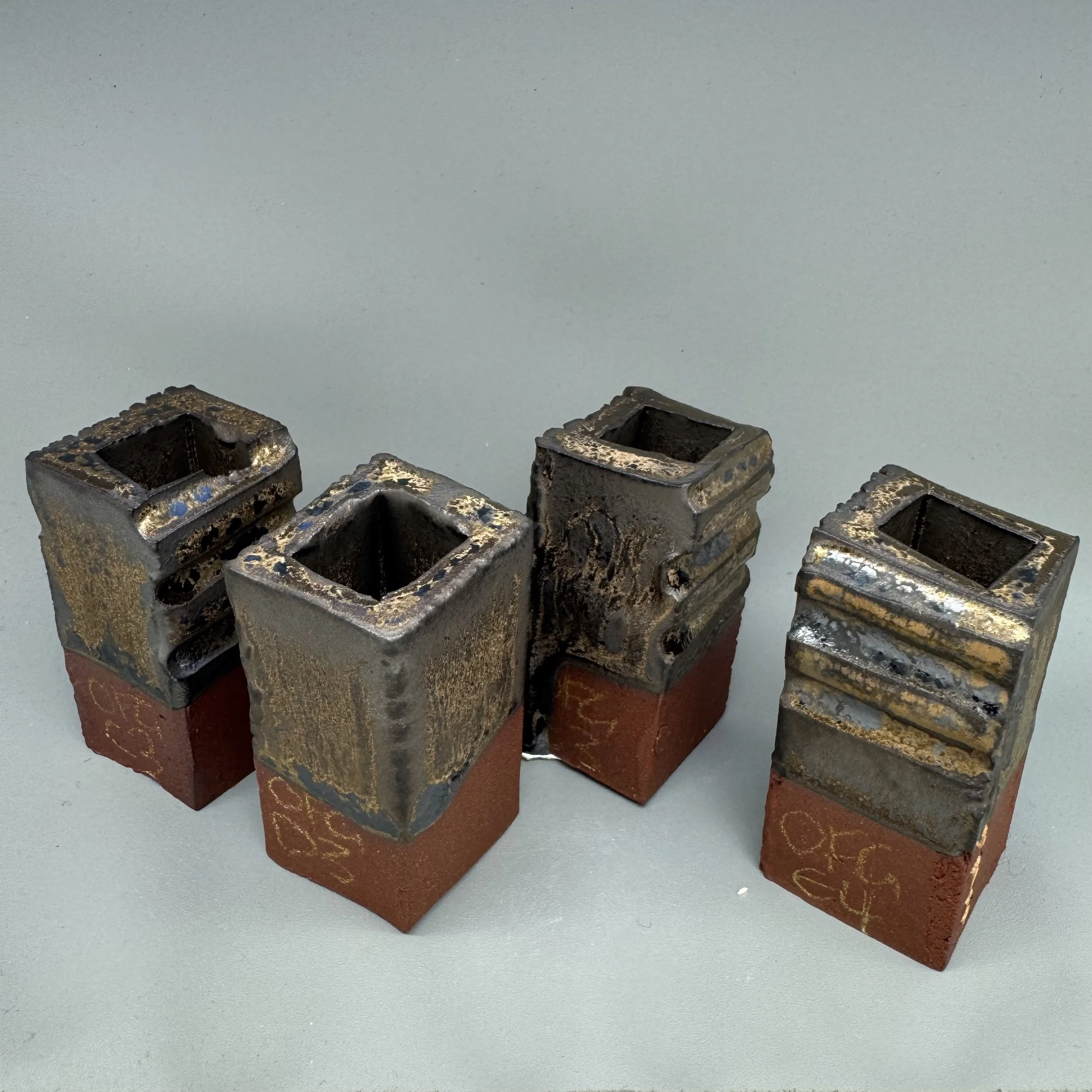
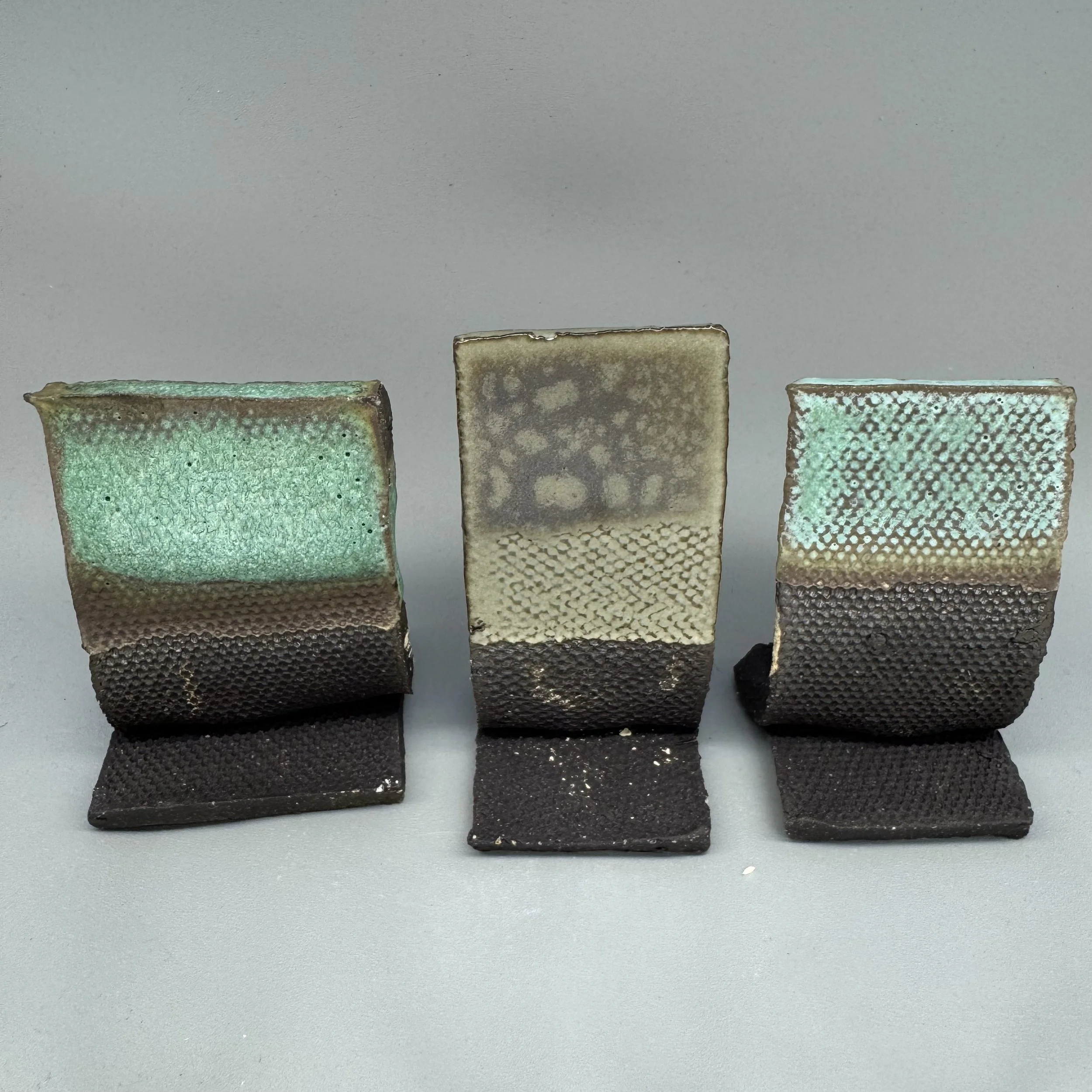
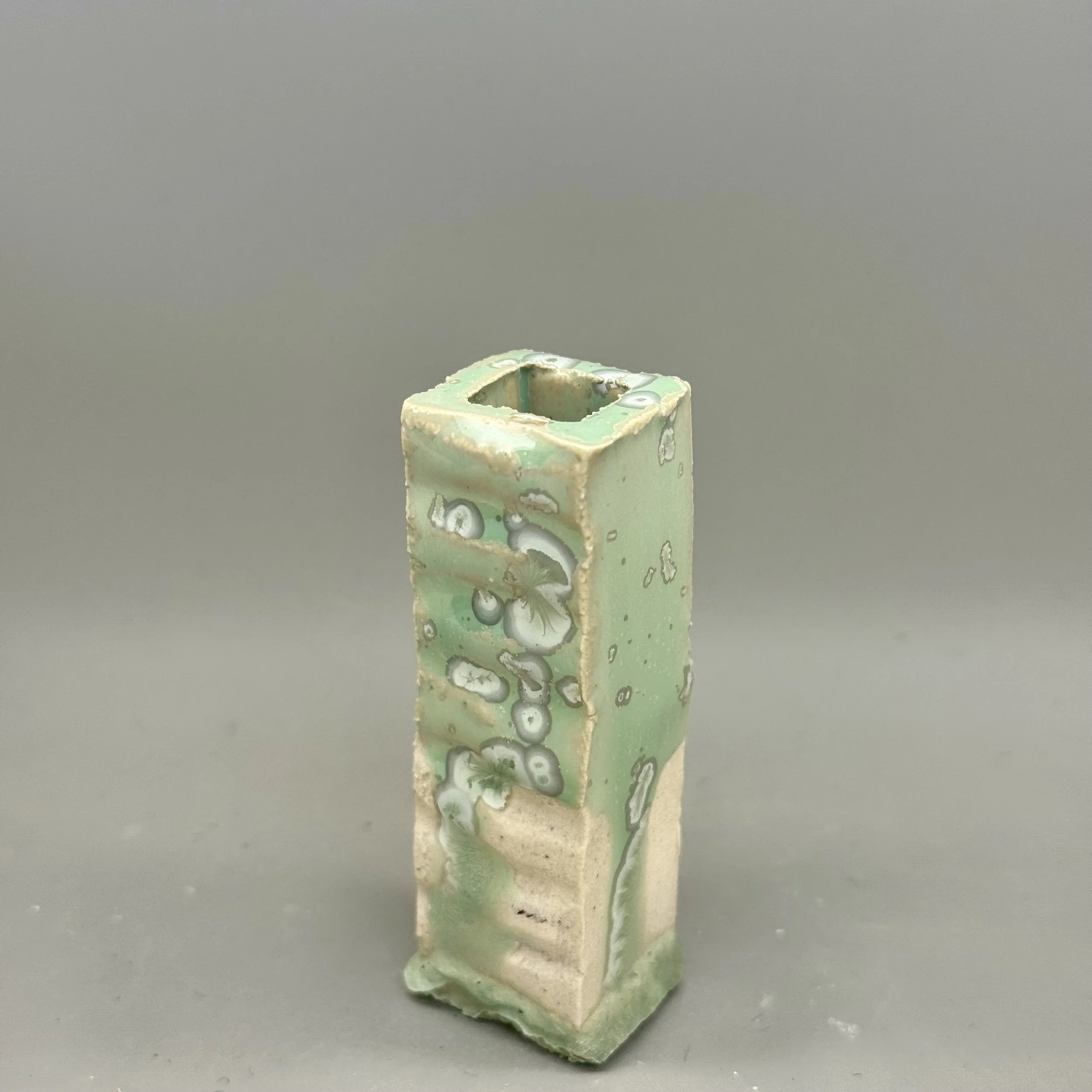
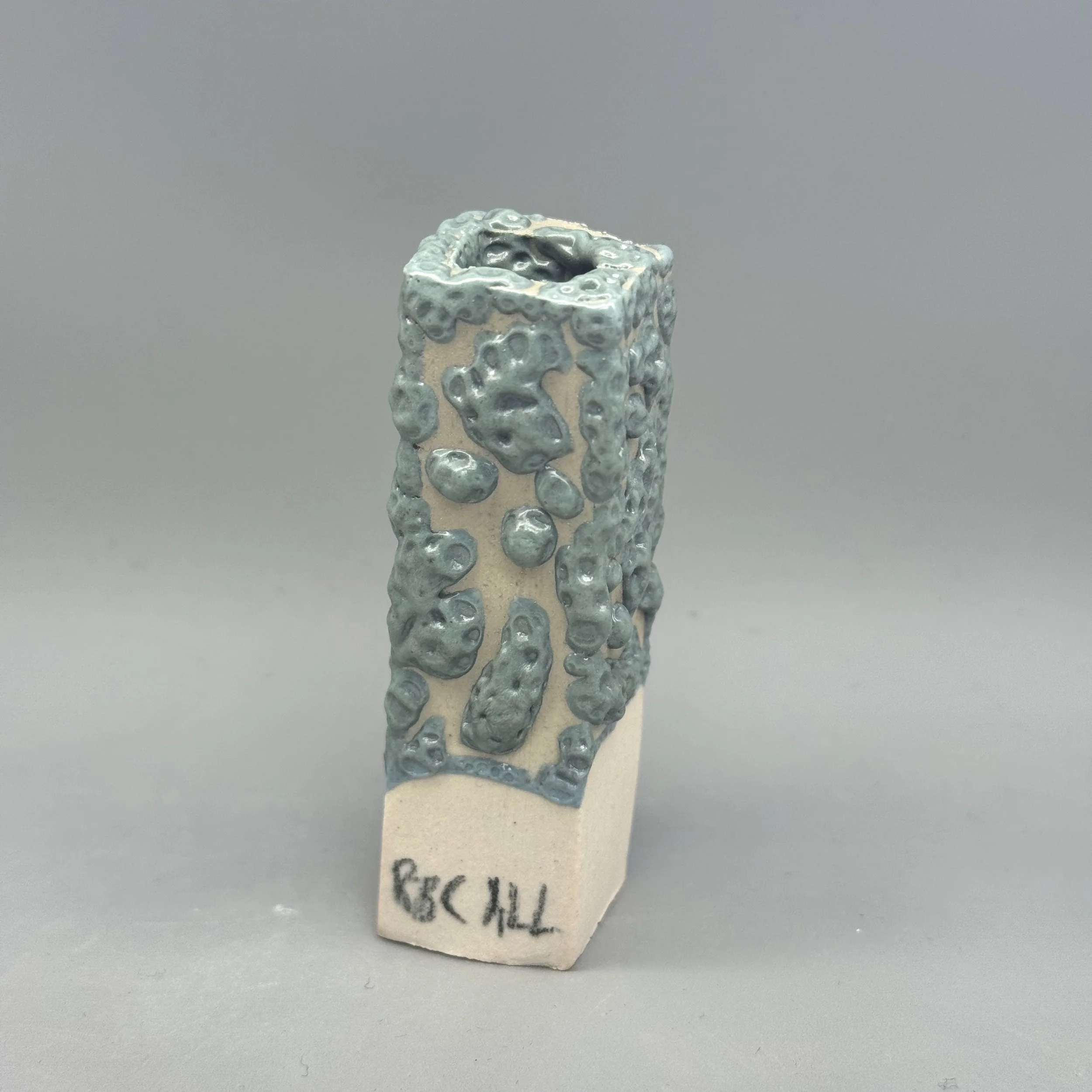
In this 10-week course we will explore glazes that go beyond a stable and durable glass. We will look at the various mechanisms through which we can create rich surfaces, and how we can use glazy.org and glaze chemistry to find out how these glazes work, and what their limitations are.

The course is structured in three cycles of 3 weeks each (and a final week for a review) — in the first two weeks of each cycle we will explore new glaze types and come up with appropriate testing strategies, and in the third week we will mix up the actual tests. We will explore crawl glazes, wood ash effects, metallic or mirror surfaces, silicon carbide in faux reduction and crater/lava glazes, and a little intro to crystalline type glazes (though the final list can be adapted based on requests). All in all it will be a exciting exploration of more experimental glaze effects and reactive surfaces, so sign up and have some glaze fun!

As the course builds on understanding the fundamentals of glaze chemistry, as well the testing strategies you’ll have learned in the Course 1+2 – Fundamentals of Practical Glaze Chemistry: 10-week course, this is a prerequisite to taking this course!

Wednesdays 6:00pm–9:00pm

PREREQUISITE: Course 1+2 – Fundamentals of Practical Glaze Chemistry: 10-week course

incl. glaze materials, and firing

In this 10-week course we will explore glazes that go beyond a stable and durable glass. We will look at the various mechanisms through which we can create rich surfaces, and how we can use glazy.org and glaze chemistry to find out how these glazes work, and what their limitations are.

The course is structured in three cycles of 3 weeks each (and a final week for a review) — in the first two weeks of each cycle we will explore new glaze types and come up with appropriate testing strategies, and in the third week we will mix up the actual tests. We will explore crawl glazes, wood ash effects, metallic or mirror surfaces, silicon carbide in faux reduction and crater/lava glazes, and a little intro to crystalline type glazes (though the final list can be adapted based on requests). All in all it will be a exciting exploration of more experimental glaze effects and reactive surfaces, so sign up and have some glaze fun!

As the course builds on understanding the fundamentals of glaze chemistry, as well the testing strategies you’ll have learned in the Course 1+2 – Fundamentals of Practical Glaze Chemistry: 10-week course, this is a prerequisite to taking this course!

Dates:

The course is designed to make all the complicated gobbledygook available and accessible to potters. We will be using lots of visual tools, such as colour coding and graphs, and telling the mystery of glaze chemistry as a story. It makes it so much more fun and so much easier to remember… and I will provide lots of handouts so you don’t have to remember it all!

Week 1 – Building a foundation

·    What actually makes a glaze?

·    Reduce a million ingredients to 10-12 basic oxide

·    Wrapping our heads around the Unity Molecular Formula (UMF)

Week 2 – Bring on the heat

·      What is heatwork (and when will my glaze melt)

·      How to control the surface and texture of a glaze

·      What makes a glaze stable, durable, and good

Week 3 – I’m a material girl

·      How to use all the materials

·      Substitutions and unavailable materials

·      What about colour?

Week 4 – Practice, practice, practice (practicum with computer)

·      Wrangling the glazy.org calculator

·      Strategies for controlling the chemistry using available materials

·      NOTE: Bring your own laptop (or tablet)

Week 5 – Getting testy (practicum mixing)

·      Getting practical

·      Minimal mixing for maximum test results: coaxial blends

·      NOTE: Bring your own PPE

Week 6 – Review

·      Discussing test results:
colour response, texture, and melt

·      Discussing common glaze flaws (pinholing, blistering, crazing, shivering)

·      How to control larger batches with Specific Gravity

Week 7 – Designing a glaze

·      How to think about your ideal glaze

·      Mapping glaze effects

·      How to build on existing glazes

Week 8 – Designing glaze tests (practicum with computer)

·      Defining your glaze chemistry

·      Exploring varying testing strategies

·      NOTE: Bring your own laptop (or tablet)

Week 9 – Getting testy two (practicum mixing)

·      Getting practical again

·      Minimal mixing for maximum test results: triaxial blends

·      NOTE: Bring your own PPE

Week 10 – Review

·      Discussing test results

·      Answering questions

·      Breathe… ;-)

Come join and explore what makes glazes tick! Learn what it means for a glaze to be good, stable, and durable. Focus your glaze exploration towards more successful results and confidence in identifying and dealing with issues. With the help of glazy.org and a bit of new knowledge, chemistry for potters has never been easier!


Participants are expected to bring:

-    their own laptops/tablets

-    PPE for mixing glazes

-    15 glaze test tiles in a light/buff clay

-    15 test tiles in a clay of their choice


Materials for glaze tests will be provided as part of the course.

Glaze tests will be fired as part of the course (limited to cone 6 neutral).